 Türkçe
 English
 Nederlands
 Español
 Deutsch
A Journey Through History, Memory and the Heart in Tirana, Albania
The Balkans are not simply a place on the map. They are a deep basin of civilisation where memory, faith and human values are woven into one another. Between 17 and 19 April 2026 my road led me...
4 min read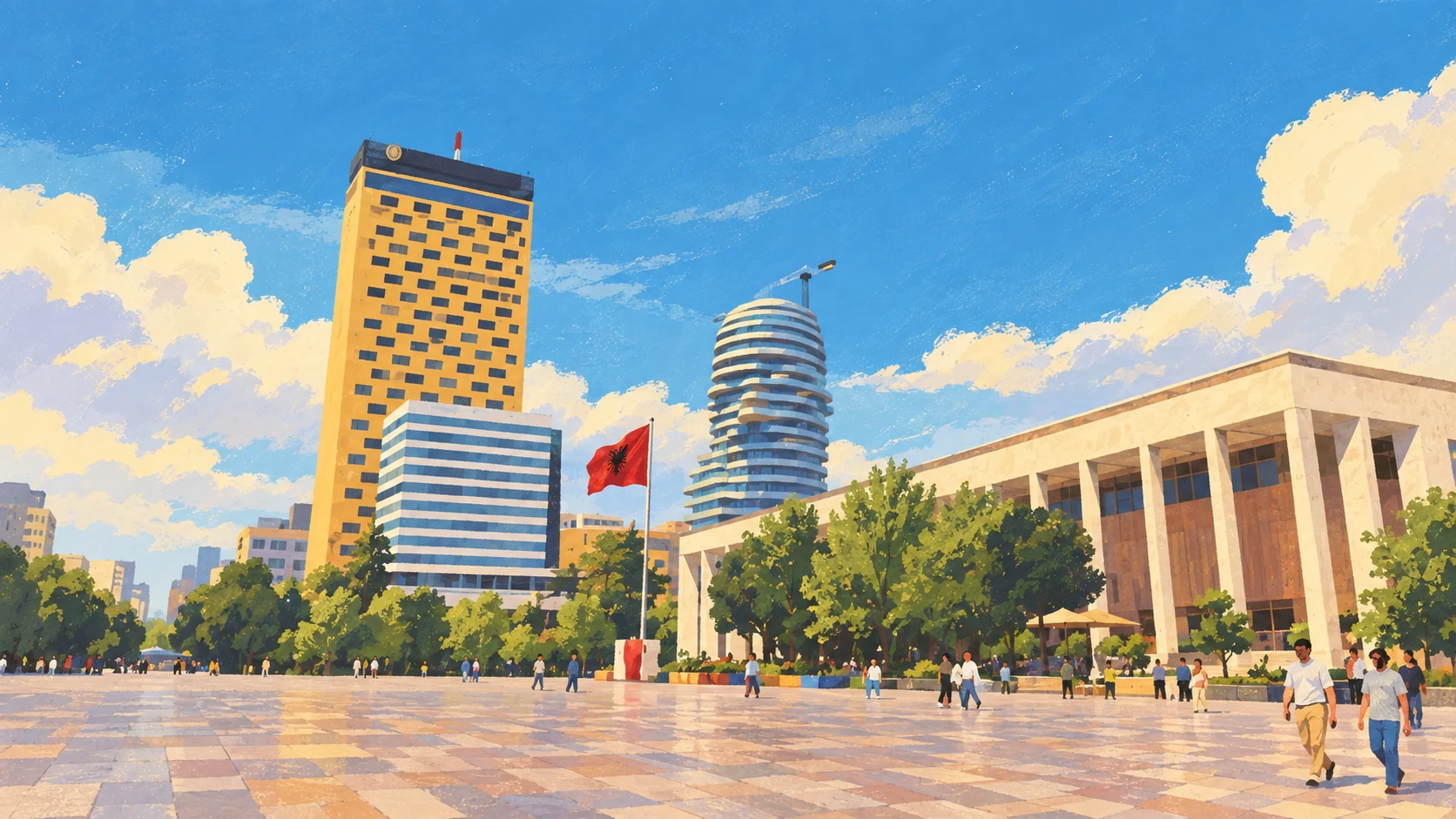
The Balkans are not simply a place on the map. They are a deep basin of civilisation where memory, faith and human values are woven into one another. Between 17 and 19 April 2026 my road led me to the capital, Tirana, and the city felt like a living summary of that basin. What was meant to be a short trip turned into a long reckoning with history and culture.
The heart of the city is Skanderbeg Square, laid out around the statue of Skanderbeg, who stands for the Albanian spirit of independence. The layers of architecture here, reaching from the Ottoman period into the modern age, show that past and future can stand side by side.
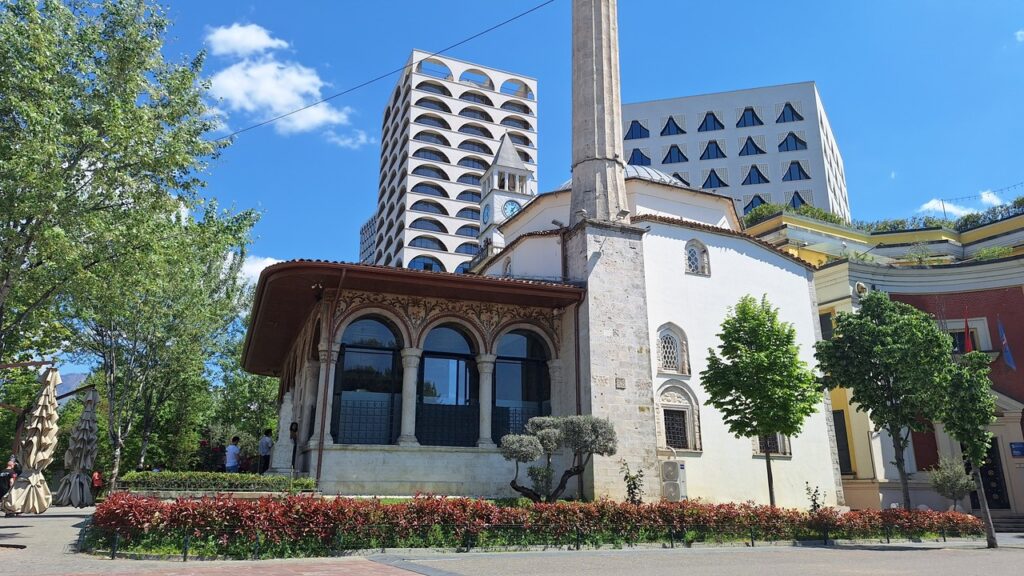
One of the most important witnesses to that historical fabric is the Et’hem Bey Mosque. This elegant building, which has come down to us from the eighteenth century, remained standing even through the communist years (1944 to 1991) when religion was banned, and so became a symbol of faith itself. The fine decoration on its walls still lives on as a graceful reflection of Ottoman aesthetics in the Balkans.
In Albania’s recent history, the late Turgut Özal’s visit to the Et’hem Bey Mosque in February 1993 was a symbolic step towards reviving historical and cultural ties that had been severed.
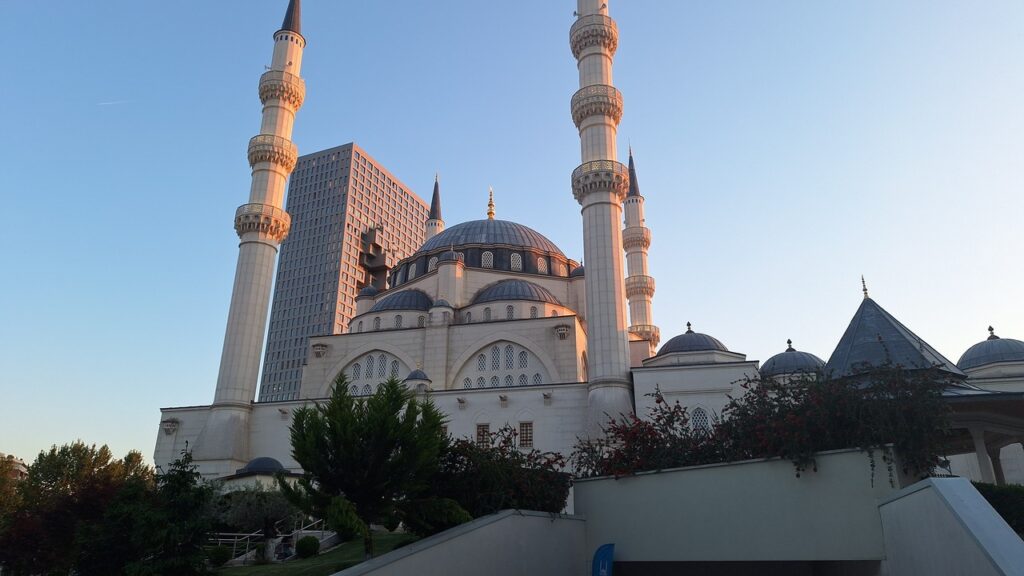
Another of the city’s strongest symbols is the Namazgah Mosque. Rising again after the transition to democracy that followed communism, it is not only a place of worship but a tangible expression of the bonds of affection reaching from Anatolia to the Balkans and of a culture of living together. It was built with donations from the people of Anatolia, as an act of loyalty between friends. With its courtyard and outbuildings it brings thousands of people together, and it allows people of different identities to meet in the same prayer.
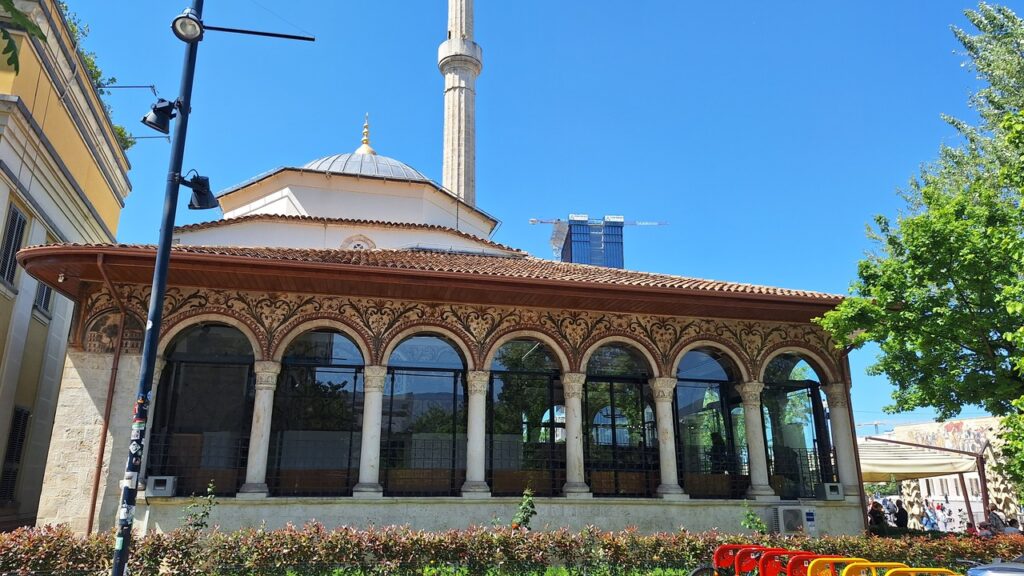
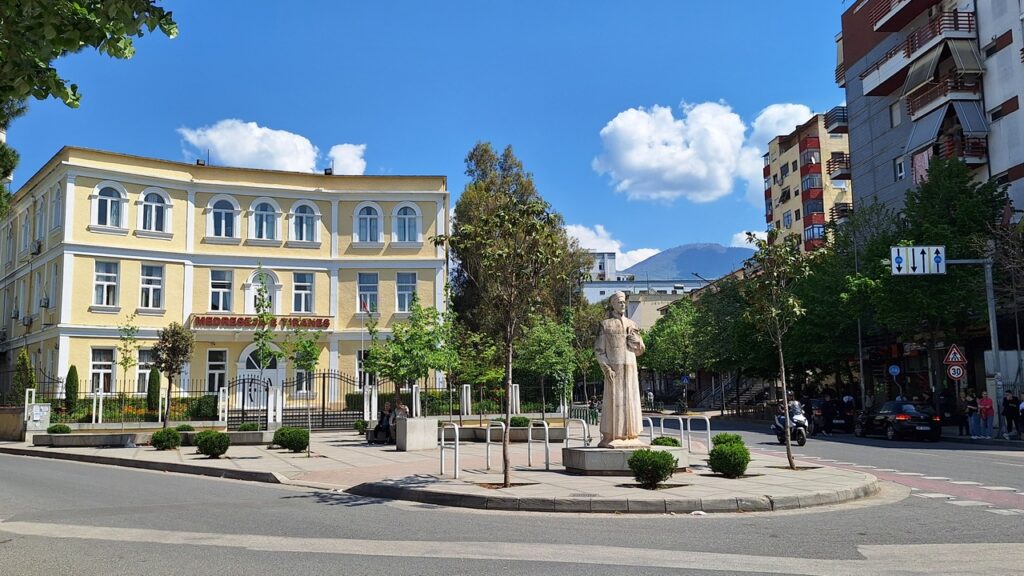
In terms of the tradition of learning and scholarship after Albania’s independence, one of the most meaningful stops on the trip was the Tirana Madrasa. Reopened in 1991 after communism under the name “Haxhi Mahmud Dashi”, it has grown despite considerable difficulty and has become an institution that brings together modern and religious education. With roughly 350 students, it is now an important centre of learning shaping the future of Albania’s Muslim community.
The living face of the city is felt in the Pazari i Ri district. In this restored market the warmth of Albanian cooking is impossible to miss. Tasting Albanian köfte in particular feels like touching one of the deepest moments of a culture. The traditional shëndetlie cake stands for naturalness and abundance, while the Albanian coffee served alongside it is a cultural element that opens the door to conversation, slows the passing of time and reveals hospitality in its plainest and deepest form.
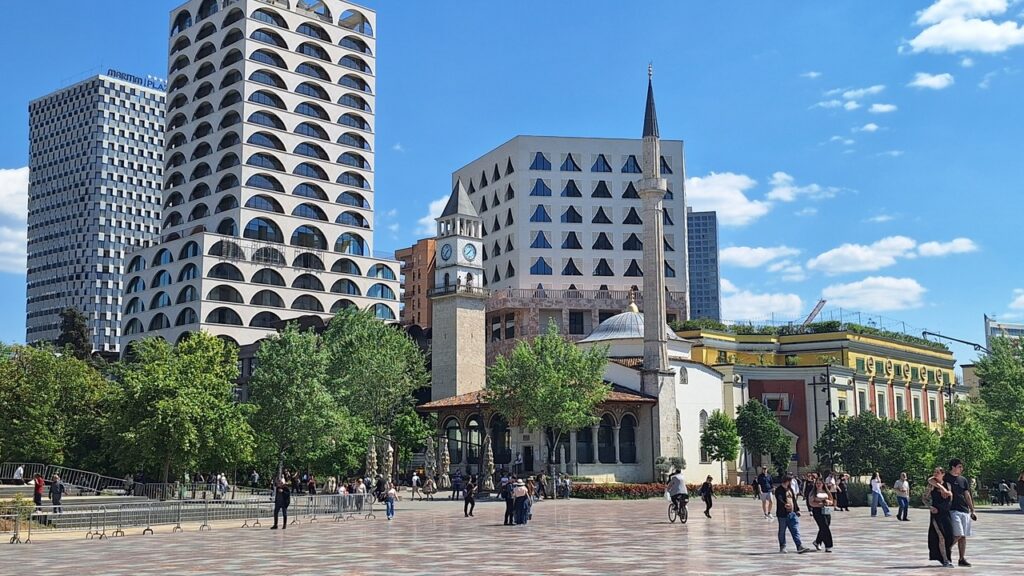
That different faiths, cultures and ways of living can exist side by side in this city stands out as one of the most valuable social features of the Balkans. Mosque and church, modern and traditional, living in harmony in the same city, shows that a culture of living together is still very much alive.
This journey through Tirana also brings an intellectual reminder with it. In the train conversation that Bediüzzaman included in his Damascus Sermon, written during his 1911 travels through Rumelia, he asked a question that has lost none of its meaning today: “Which is the stronger, zeal for one’s religion or zeal for one’s nation?”
That question belongs not to one period alone but is the shared concern of every society made up of many identities. The social harmony one observes in Tirana can be read as an answer given to it in the field. Here a way of life in which difference produces richness rather than conflict is quietly being lived.
In today’s world, one of the most important carriers of these cultural and historical ties is Epoka University in Tirana. Drawing inspiration from love, respect and the ideal of keeping people alive, it stands out for an approach centred on the human being and grounded in dialogue.
Over three days, the capital Tirana proved to be far more than a city one visits. It is a living place of memory where history, faith, culture and human relationships run into one another.
What stays in the mind at the end of the trip is a deep reflection on what it means to be human, and a hope for living together. The Balkans remain one of the places where the simplest answers are given to humanity’s oldest questions: how do we live together, how do we remember, and how do we stay human?
Civilisations live through the bridges people build in their hearts. And in the Balkans, Albania remains one of the places where those bridges have been built most beautifully.
What keeps those bridges standing is the understanding of love, respect and hospitality rooted deep in Albanian culture. With that understanding, these lands draw hearts closer to one another. They are not merely visited: they are felt and remembered, and they go on holding their place in minds and hearts as a geography of the heart.
Reader notes
No one has left a note on this post yet. Be the first.
Related posts
 Education & Dialogue
 Social Responsibility