 Türkçe
 English
 Nederlands
 Español
 Deutsch
The Ubuntu Project, from New Zealand to Africa
Today, with the means of communication and travel that draw time and place together, what the old phrase calls "the nearness of time, the nearness of place", results can come quickly. With a sense of social responsibility...
5 min read
Today, with the means of communication and travel that draw time and place together, what the old phrase calls “the nearness of time, the nearness of place”, results can come quickly. With a sense of social responsibility, by noticing what people in need actually need and doing good on the way to becoming part of the answer, we can make this world of ours more beautiful.
In Tanzania and Uganda, the part of East Africa where I lived for a long stretch of my life, I saw through education, humanitarian projects and intercultural dialogue just how much people everywhere have to learn from one another. Looking at it through “Ubuntu”, a philosophy of everyday social life expressed in the Bantu languages of Africa, I began to wonder how it might be put to work in humanitarian projects for people in need across Africa, alongside what Fethullah Gülen Hocaefendi calls the “Ideal of Keeping Others Alive”: “I am when we are”, in the sense of love, sharing and thinking of the other. With that in mind, I was talking with friends in America about how we might encourage people of different faiths and cultures, people we live among and work beside, to join in doing good.
Every year the United Nations marks “World Food Day on 16 October” to raise awareness, pointing out that there is enough food to feed everyone, and yet that 1.3 billion kilograms of food are wasted and lost each year. According to the UN’s 2023 report, one in every ten people worldwide, and one in every fifteen in Africa, has no choice but to struggle against hunger. (1) Having lived in Africa for some twelve years, seeing what people go through, the state of their food and nutrition and what they need, I began to think about how we might do UBUNTU through local thinking built on empathy and universal human values.
Just at that time I got in touch with a friend of mine in America. He told me that during the five years he spent in New Zealand he had come to know some members of the St Andrew’s Uniting Church congregation (the united Methodist and Presbyterian church) in the town of Motueka, and that among them he was in close contact with Ann and her husband Paul Daniel and their family. In the story he told me, my friend, who now lives in America, had given the family the English edition of the American academic Jon Pahl’s book “Fethullah Gülen: A Life of Hizmet”. He said the Daniel family had read it and knew something about Hocaefendi and the Hizmet movement.
After hearing all this about the Daniel family, I suggested to my friend that he ask them, when the moment was right, whether they might like to take part in a humanitarian project in Africa. Some time later he put the idea to the Daniel family in New Zealand, and their answer was yes.
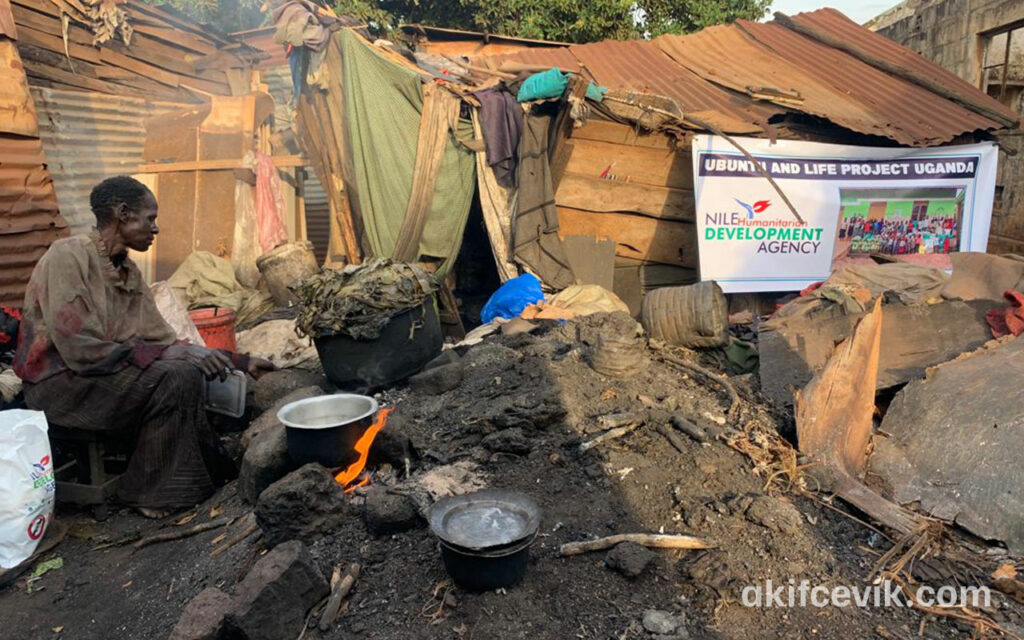
“The Daniel family said they could send the cost of a day’s coffee and cake to people in need in Uganda, and that in doing so they would be living through a feeling quite unlike anything else. They also said they would share the idea with their church congregation in Motueka, New Zealand.” In the end they sent a donation of around 500 dollars, collected from the congregation, to the humanitarian foundation in Uganda.
Humanitarian Work and the Idea of Ubuntu
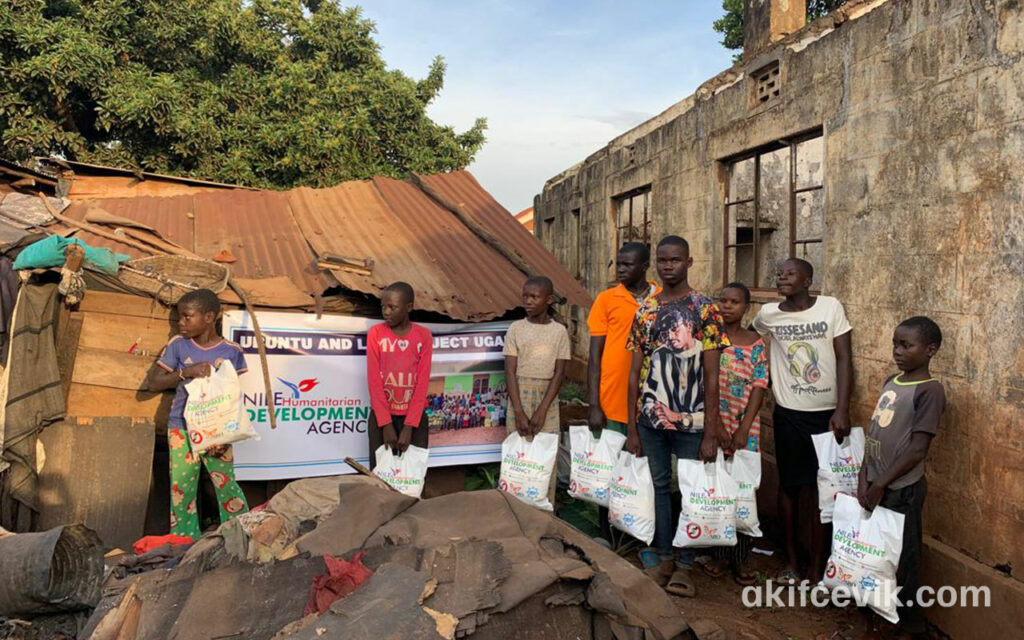
With the food donation they sent, God granted us the chance to distribute food parcels to 36 families living in tin houses in rural Uganda, under the “Ubuntu and Life Project”. Afterwards, videos and photographs of the parcels being handed out to those in need were sent back to the donors with our thanks. (2) Some time later the Daniel family, who had organised the collection, passed on to us in a message what the people who gave had felt and thought about the movement of kindness they had helped bring about in Africa. People of different faiths, outlooks and cultures, having taken part in the Hizmet movement’s humanitarian work in Africa, described the experience like this. First of all they sent their respect and their greetings for having been included in such a movement of goodness, and then:
- The effect produced by one small act was quite incredible.
- Those who gave said they felt something inside them that words could not describe.
- One member of the congregation asked, “Can we do this project again?”
- They came to know, by living it, the spiritually rewarding joy of seeing how much a person can do for others by making one small change to an everyday personal habit.
- Seeing photographs of the people who received the help, the donors were glad and grateful that the aid had reached its destination, and they said that seeing it arrive had increased their trust.
Through dialogue, with the American, British and European friends we come to know around us, we can help open the way for people of different faiths and outlooks to join in a movement of doing good, in the spirit of Ubuntu.
Intention is the purpose an action begins with. The work we do takes its shape from our intentions. Intention is a spirit, and the essence of that spirit is sincerity. May God keep us always in sincerity and good faith. Running to another person’s aid through dialogue is an important invitation extended to God’s favour. With acts of goodness like these, the earth can be made into a world where people live in peace.
Through the love, respect, empathy and sharing that lie at the heart of Ubuntu, sometimes called African humanism, and through projects of goodness carried out around the world, a universal peace can be reached.
May our Lord open every heart to what is good, in the direction of His pleasure.
Reader notes
No one has left a note on this post yet. Be the first.
Related posts
 Life
LifeA Bicycle That Became Hope, Through Ubuntu and the Ideal of Keeping Others Alive
2 September 20254 min readRead the post Life
Life