 Türkçe
 English
 Nederlands
 Español
 Deutsch
An Entrepreneurship Competition in Uganda
Organised by the alumni community of Uganda Light Academy, in line with the "Uganda Vision 2040" policy that sets out a perspective for the country's future...
6 min read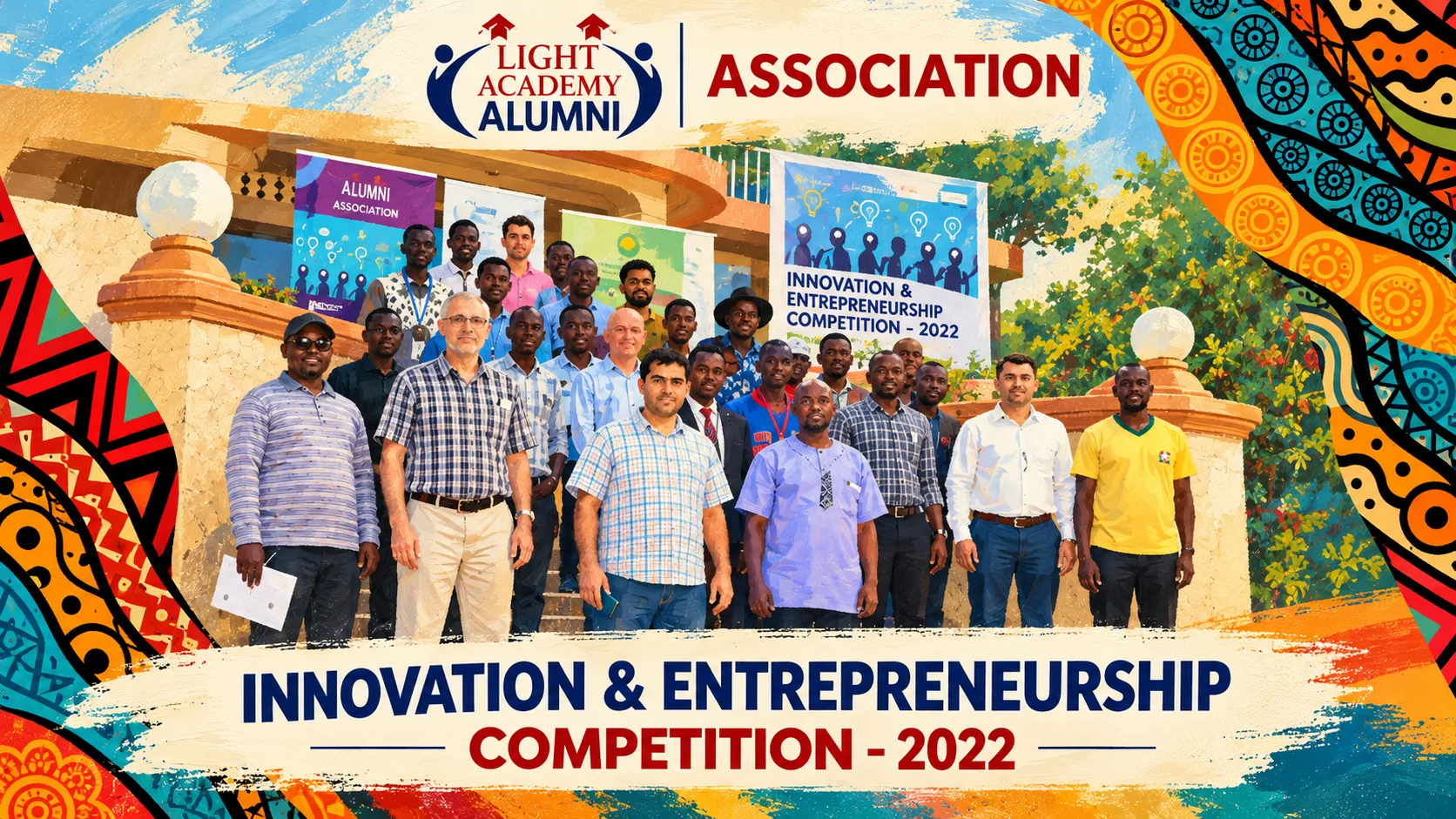
Organised by the alumni community of Uganda Light Academy, in line with the “Uganda Vision 2040” policy that sets out a perspective for the country’s future, young entrepreneurs had begun talking about what they could do towards the goal of “Buy Uganda, Build Uganda (BUBU)”.
During my time living in Uganda, whenever I joined the meetings these young alumni invited me to, I would try to explain what they could achieve by “turning dreams into ideas and ideas into projects”. Soon after one of those conversations, the idea of running an “Entrepreneurship Project Competition” began to take shape among the younger members of the Uganda Light Academy alumni, who were meeting regularly.
While we were working on the organisation of the competition, the World Bank published its Uganda report in August 2020. According to that report, around 700,000 young people in Uganda reach working age every year, while 75,000 jobs are created. Between 2030 and 2040, an average of one million young people are expected to reach working age each year.
Those figures and projections made the need for innovative and entrepreneurial projects very clear. A competition seemed the right ground on which to bring young entrepreneurs into Uganda’s future and to help them turn their dreams into ideas and their ideas into projects.
The Light Academy Alumni Association began by drawing up an eight month working calendar, setting out the criteria and the categories of the competition. The categories were then settled:
- Small and medium scale sectoral projects
- Vocational training and employment projects
- Social responsibility projects
- Research, development and innovation projects
Entrants in these categories were asked to keep three criteria in mind while preparing their projects:
- The originality of the idea would be assessed
- The project had to have real potential to be carried out
- The benefits the project would bring
All of this was communicated by a professional team, through meetings held with the young candidates who had qualified to take part.
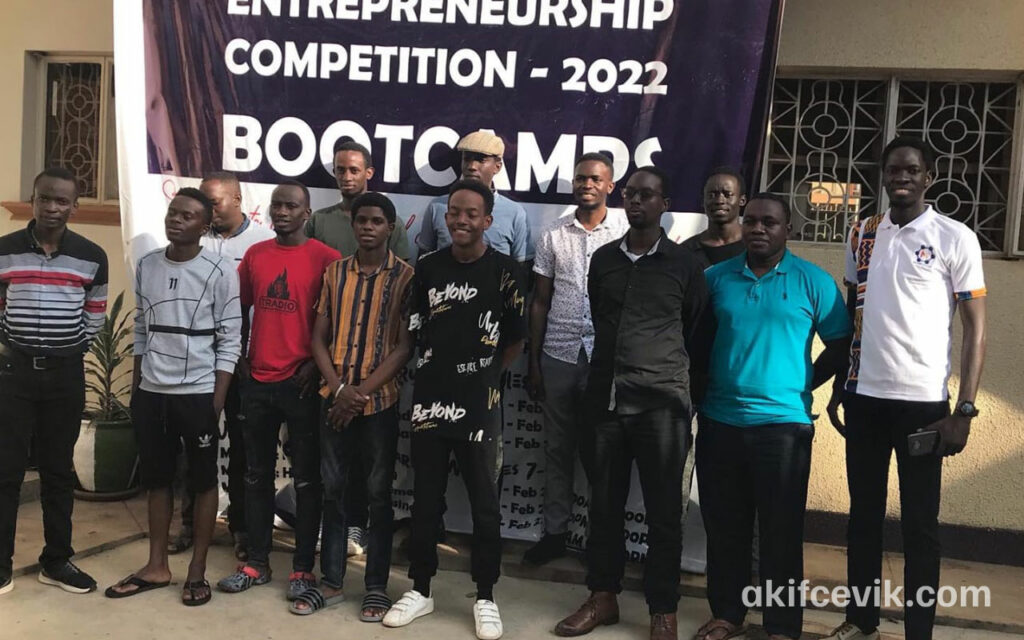
When the projects went on display at the appointed point in the calendar, business people were invited to come and see them, and so the projects met their first audience. Hearing the business people’s assessments gave the candidates a chance to work on their projects again and to close the gaps.
Having completed all their preparations, the competitors came before the jury and presented their projects. Scores were given and selections made. Out of 80 projects in total, 20 earned an award.
The Award Ceremony of the Entrepreneurship Competition
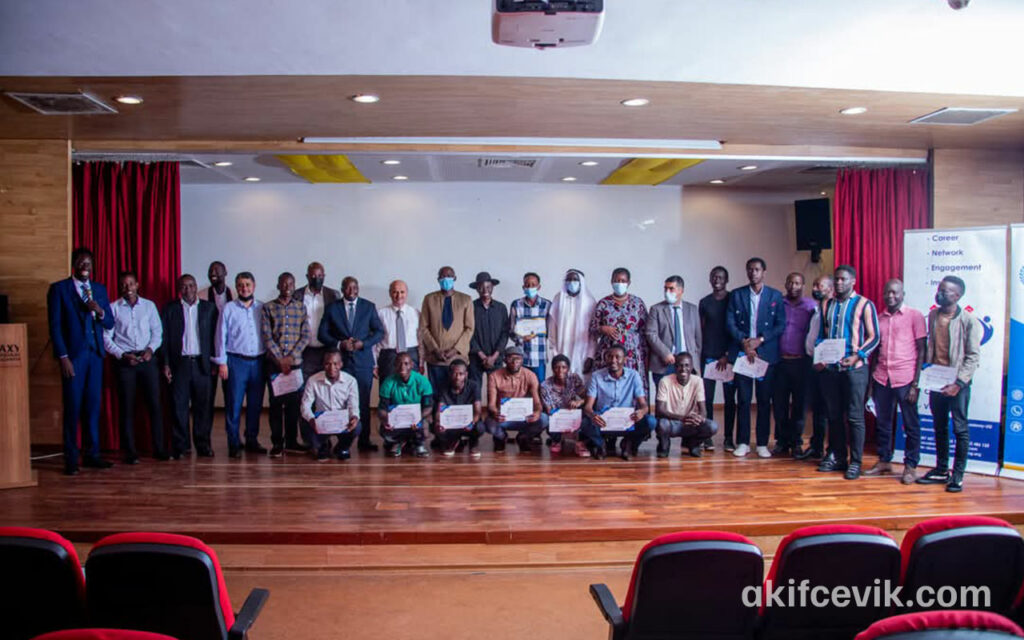
On the day of the award ceremony, the competitors could hardly contain their excitement. Guests of honour, educators, business people, the competitors’ families and parents, jury members, representatives of the media and the project owners all attended.
The ceremony was hosted by Robert Bob Okello, himself a member of the alumni association. After graduating he had continued his education in Norway, then completed his studies at the University of Oklahoma in the United States before returning to Uganda. Speaking about the education consultancy services he provides through the company he founded, Okello was, in himself, a model for the younger members in the room.
Next came Bob Bakyenga, president of the alumni association, who spoke about fifteen years of alumni work and about the purpose of the competition. He thanked the members for their interest and the guests for coming.
The school principal, Ercan Tapsız, then offered his congratulations, saying how proud he was that the alumni had organised a competition of this kind.
Among the guests of honour, the former minister Esther Mbayo spoke of her pleasure at being invited and addressed the young entrepreneurs about the openings and opportunities available in Uganda. Alongside her emphasis on youth unemployment, she praised the young people who had entered and thanked the guests for attending.
She advised the young people not to stop at this one programme but to keep it going, noting that the jobs the state can provide are limited but that innovation and entrepreneurship open up far more opportunities. She added that by developing productive skills in farming and agriculture they could find new fields of work. Wealthy people, she said, work tirelessly and without complaint, and so they too should work without knowing weariness.
Esther Mbayo, a member of parliament, advised the young people to step out of their comfort zones and to create work rather than look for it. Noting that unemployment is a global problem and that young people should not content themselves with white collar jobs, and underlining the different opportunities that exist in farming and agriculture, Mbayo congratulated everyone who had worked on the event.
As the final speaker, the host Robert Bob Okello invited the programme’s guest of honour, Kabuye Kyofatogabye, Minister of State for Kampala and Metropolitan Affairs, onto the stage. Speaking about the meaning of the day, he offered the young entrepreneurs three pieces of advice.
His first was to recommend Robert T. Kiyosaki’s book “Rich Dad, Poor Dad” to the alumni members and the young entrepreneurs. He drew out the book’s central idea: “people learn to work for money, but they never learn to make money work for them.”
His second was to tell the young entrepreneurs about the Ugandan government’s “Parish Development Model”, explaining that its aim is to help families in the smallest administrative areas raise their household income and contribute to their economic development.
In his third piece of advice, the minister described the “Youth Livelihood Programme” the government has put in place to help young people with unemployment, and explained how the programme works to find livelihoods that create employment in the face of unemployment and poverty.
He thanked the organising committee for a competition that guides young people’s lives and gives them the chance to turn their ideas into projects, and congratulated those who had won awards.
Sure Steps, in the Spirit of Ubuntu
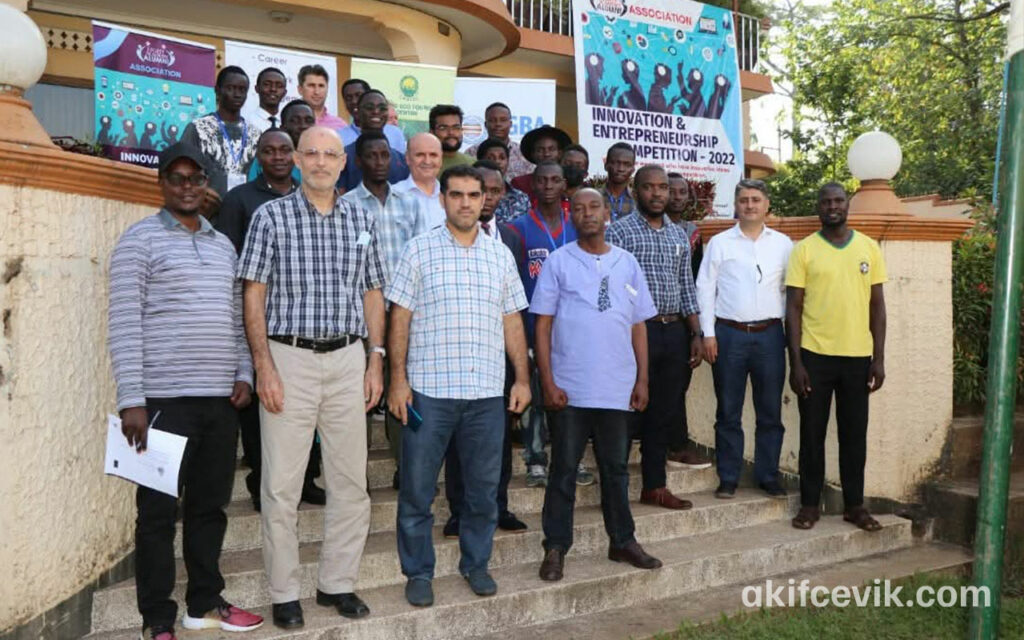
In this entrepreneurship competition, held on 26 March 2022, graduates of Uganda Light Academy turned their dreams into ideas and their ideas into projects, and in doing so set an example of how to step into the future as an entrepreneur. Our thanks go to everyone who played a part.
I believe this competition, which grew among young people in Uganda out of the Ubuntu idea and its encouragement of social solidarity built on respect, love, empathy and sharing, is a piece of work worth following. When I asked the alumni association two years later, they told me that of the 20 projects that had placed in the competition, 8 had been carried out, 7 were looking for finance, and 5 were not viable for the time being given how conditions had developed.
With that in mind, I wish every success in life to these young people, stepping towards the future with confidence.
February 25, 2020, Uganda: Jobs Strategy for Inclusive Growth https://www.worldbank.org/en/news/factsheet/2020/02/25/uganda-jobs-strategy-for-inclusive-growth
The award ceremony of the competition held on 26 March 2022 https://fb.watch/igIQDnq7_G/
Reader notes
No one has left a note on this post yet. Be the first.
Related posts
 Education & Dialogue
 Education & Dialogue