 Türkçe
 English
 Nederlands
 Español
 Deutsch
A Journey That Began With Education and Continued With Humanitarian Aid in Tanzania: Seeing Hope Take Root in the Same Soil Thirty Years On
Some journeys in life keep the warmth of their first day in your heart no matter how many years pass. And some memories do more than recall the past; years later they come back to you and show how the good you did has grown...
7 min read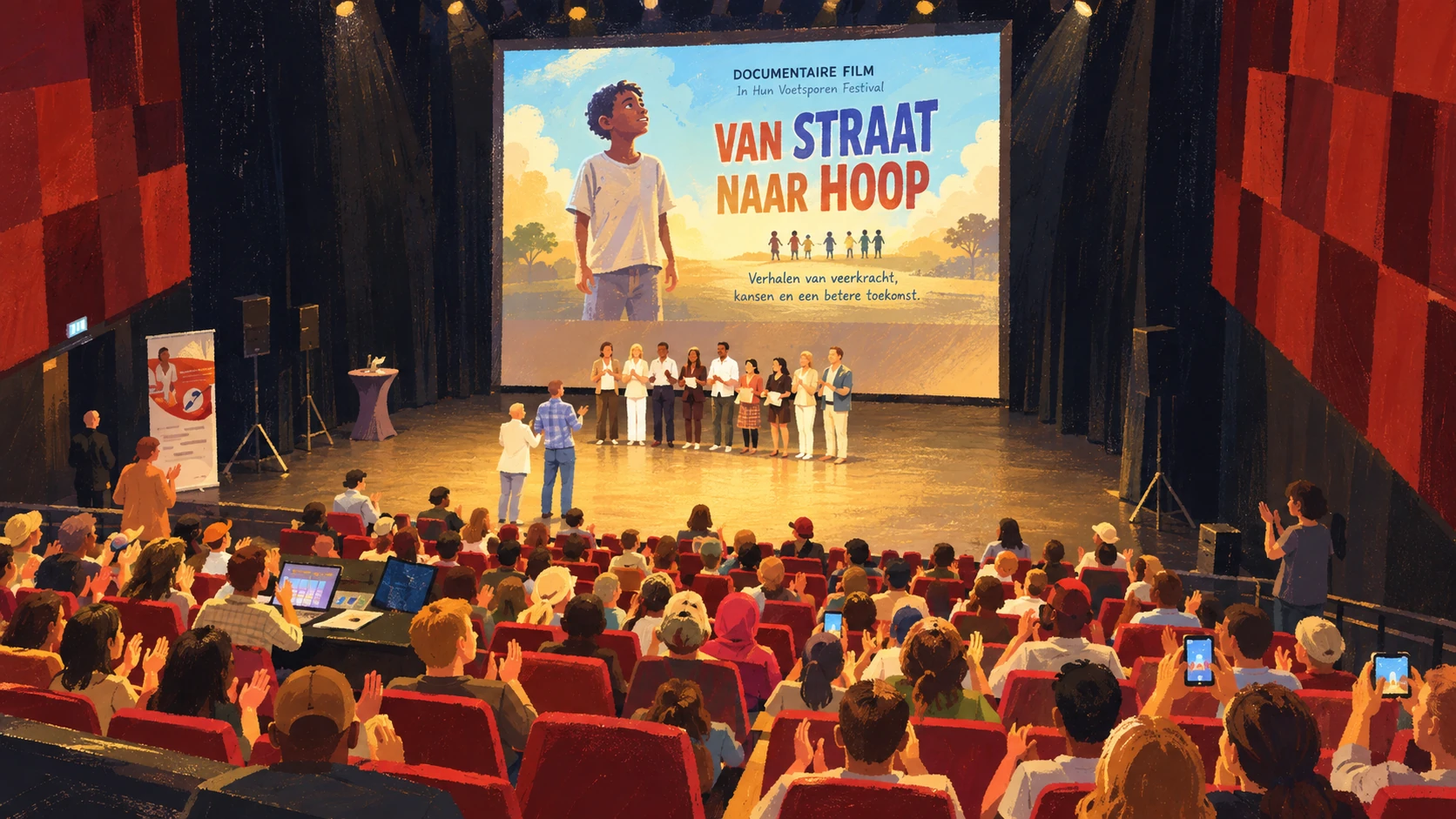
Some journeys in life keep the warmth of their first day in your heart no matter how many years pass. And some memories do more than recall the past; years later they come back to you and show how the good you did has grown, and how it became hope in people’s lives. At moments like that you feel that time does not wear goodness out but ripens it.
In 1996, when the late Alptekin Aksoy, a volunteer in education, travelled to Tanzania, the Ishik Medical and Educational Foundation, set up together with our Tanzanian friends, took on an institutional identity. After the founding of the foundation that would form the basis of the schools, I was given the chance to go to Tanzania in October 1997 as its president. Following research and preparation, teaching began in 1998 under the name Feza Boys Secondary School.
Between 1997 and 2003, alongside the educational work, I also had the chance to follow the foundation’s humanitarian activities closely. At the root of every step taken in those years was the ideal of keeping people alive. Contributing to one person’s education, grounded in universal human values, was the most valuable investment one could make not only in an individual but in the future of a society. In the same way, taking the hand of someone in need was one of the finest examples of keeping the shared conscience of humanity alive.
Roughly thirty years later, in 2026, I attended the gala of a documentary called “Van straat naar Hoop: Onze kanjers in Tanzania” (From the Street to Hope: Our Champions in Tanzania), organised in Rotterdam by Time to Help Nederland, which operates in the Netherlands where I now live. For me this was no ordinary documentary screening.
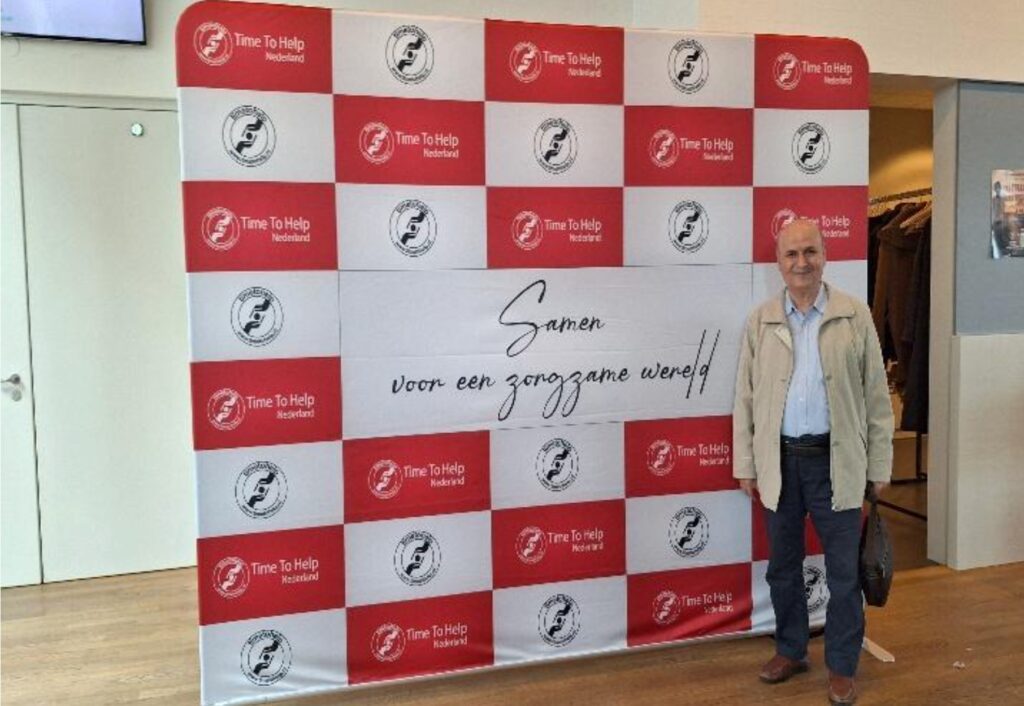
Because the orphanage project described in the film was being carried out in Dar es Salaam, in an area very close to the neighbourhood where I once lived. Seeing that a place where street children had once lived in desperation now had a safe home, schooling and hope took me back into the past and left me with feelings that are hard to put into words.
Seeing, in that same soil where so much effort had gone into education, the fruit of work that today helps orphaned children take hold of life again, made me feel the abundance that goodness spreads across time. In that moment I thought once more: education and humanitarian aid are not separate things but two expressions of the same compassion. Sometimes a person touches lives by building a school, sometimes by raising up an orphanage, and sometimes simply by letting someone know they are not alone.
A Story of Lost Hope Brought Back to Life Through Kindness
Held on Sunday 17 May 2026 at LantarenVenster, one of Rotterdam’s important centres of culture and the arts, the gala of “Van straat naar Hoop: Onze kanjers in Tanzania” offered its audience not merely an aid project but a moving human story about how lost hope can begin to grow again through kindness.
Organised by Time to Help Nederland, which carries out international humanitarian work, the evening brought together hundreds of people of different cultures and ages around a shared conscience. What everyone in the hall felt in common was the responsibility of being able to touch a human life, and the happiness of reaching someone in need wherever in the world they might be.
The programme was hosted by Karim Amghar, a well known educator and media figure in the Netherlands, and throughout the evening what filled the hall was not only the excitement of a premiere but a powerful hope that humanity can still be raised up by kindness.
A Story of Solidarity Reaching From the Street to Hope
In the documentary, the audience witnessed the lives of orphaned children struggling to survive on the streets of Dar es Salaam in Tanzania. What began with the efforts of a local teacher trying to protect children with almost nothing to work with grew, with the support of volunteers in the Netherlands, into an international movement of solidarity.
The children’s move from the street to a safe home represented not only a physical change but the revival of hopes that had been lost. In every scene of the film it was plain to see how love, sacrifice and volunteering can change a human life.
The Orphanage Project in Tanzania
Significant work was carried out under the project run by Time to Help Nederland volunteers in Tanzania, with the aim of giving children a safe future.
As part of the project, an orphanage able to house more than eighty children was renovated and turned into a safe place to live. Thanks to the donations given, the children received not just a roof over their heads but educational support, school materials, care, stability and new opportunities for the future.
What gave the project its meaning, above all, was love, respect, empathy, mutual help and solidarity. The volunteers did more than meet the children’s daily needs: they helped them dream again, believe in themselves and look to the future with hope.
The real life stories told throughout the documentary showed powerfully how doing good can change a human life.
Kindness Knows No Borders
Volunteers living in the Netherlands shared this story with their families, friends and neighbours, and in a short time built a wide network of solidarity. The campaign became more than material support: it turned love, empathy and human values into a shared movement of goodness.
As the concrete effects of the aid work in the field were shown to the audience, there were moments of real emotion in the hall. Live performances and conversations with volunteers gave those present a close look at the sacrifices behind the scenes of the project.
The documentary describes the work that Time to Help Nederland volunteers carry out at an orphanage in the Mbagala district of Dar es Salaam, Tanzania. It conveys movingly the journey of children struggling to survive on the street towards safety, care, education and hope for the future.
Carried out with love, empathy, hard work and volunteering, this is one of the finest examples of the effort to improve the living conditions of street children and orphans. Ubuntu, Africa’s ancient philosophy, and its understanding that “I am because we are”, form the spirit of the film.
The film lays bare powerful examples of hope, solidarity and humanity. The documentary about this meaningful aid work in Tanzania, “Tanzania’s Real Champions: From the Street to Hope”, met its audience for the first time at the LantarenVenster theatre and cinema in Rotterdam.
**To watch the documentary: **https://youtu.be/y-rr5AKU7s4?is=4kkqus-O56UHXUN0
Ubuntu: “I Am Because We Are”
One of the most meaningful messages of the evening was Ubuntu, Africa’s ancient philosophy of life. Built on the understanding that “I am because we are”, it could be felt in every scene of the documentary. The hand extended to orphaned children showed how people living in different countries can meet on shared human values. Humanity’s real wealth lies not in what we own but in what we are able to share.
At the end of the programme many of those present thanked the organisers, and one participant’s words summed up the spirit of the evening:
“Being able to bring hope into the life of a child in another corner of the world shows that humanity is still alive.”
This meaningful gala in Rotterdam really was more than a documentary screening. It was a powerful call to conscience, showing how kindness, volunteering and international solidarity can change a human life.
To see, in the Tanzania I travelled to thirty years ago for the sake of education, work that today helps orphaned children take hold of life again, was a witnessing I will not forget. That night I understood once more that every sincere effort which puts keeping people alive at its centre goes on bearing fruit, however many years pass.
With that in mind I offer my heartfelt thanks to the volunteers of Time to Help Nederland above all, and to every benefactor who worked on, supported or prayed for this meaningful project.
Because sometimes a sincere hand reaching out from thousands of kilometres away can change a child’s destiny. A school, an orphanage, a warm smile, or a hand extended with compassion. Each of these is, in truth, a different reflection of the same reality.
Keep the person alive, and humanity will live.
Together we saw once again that lost hopes can come back to life in the hands of people who believe in doing good.
Reader notes
No one has left a note on this post yet. Be the first.
Related posts
 Social Responsibility
 Social Responsibility