 Türkçe
 English
 Nederlands
 Español
 Deutsch
The Global Value of Food and the Conscience of Humanity
World Food Day is a global day of awareness marked every year on 16 October to commemorate the founding of the United Nations Food and Agriculture Organization (FAO) in 1945.
5 min read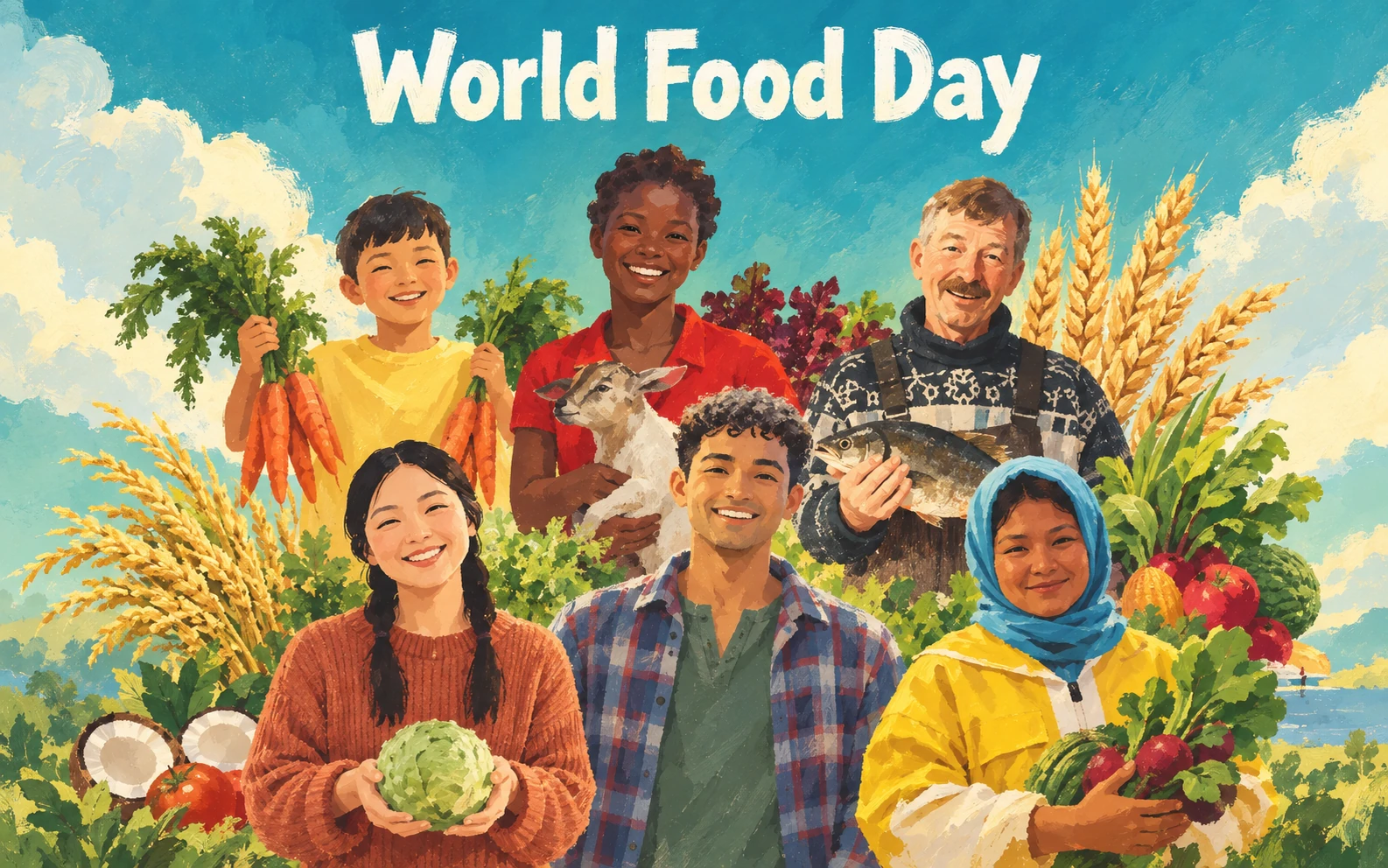
World Food Day is a global day of awareness marked every year on 16 October to commemorate the founding of the United Nations Food and Agriculture Organization (FAO) in 1945.
16 October, World Food Day: awakening the conscience of humanity through the ideal of keeping others alive. The global value of food and the conscience of humanity.
It is a day when the human family gathers at a shared table, when sharing and solidarity are remembered, and it is a call to conscience. And yet millions of people around the world are still struggling against hunger. According to United Nations figures for 2024, roughly 8.2 per cent of the world’s population, one person in every twelve, faces hunger. Around 2.3 billion people, 28 per cent, live with moderate or severe food insecurity.
These numbers show plainly that humanity has not yet reached food justice.
Hunger is not only a biological shortfall. It is also a reflection of a shortfall in justice, in conscience and in solidarity. [FAO, IFAD, UNICEF, WFP, WHO. The State of Food Security and Nutrition in the World 2024. Rome: FAO, 2024.]
Justice and the Ideal of Keeping Others Alive
The purpose of World Food Day is to draw attention to the fight against hunger and to raise awareness of food security at the individual, social and institutional level. The United Nations Food and Agriculture Organization defines access to sufficient, healthy and safe food, for everyone, as a basic human right. That awareness forms the backbone of fair sharing, sustainable production and social solidarity. Seen this way, food is not merely a physical need. It is a symbol of human dignity.
The idea of the “ideal of keeping others alive”, which the late Fethullah Gülen often emphasised, represents a universal human stance in the struggle against hunger. He put it this way: “A person finds the meaning of their own existence in the effort to keep others alive.”
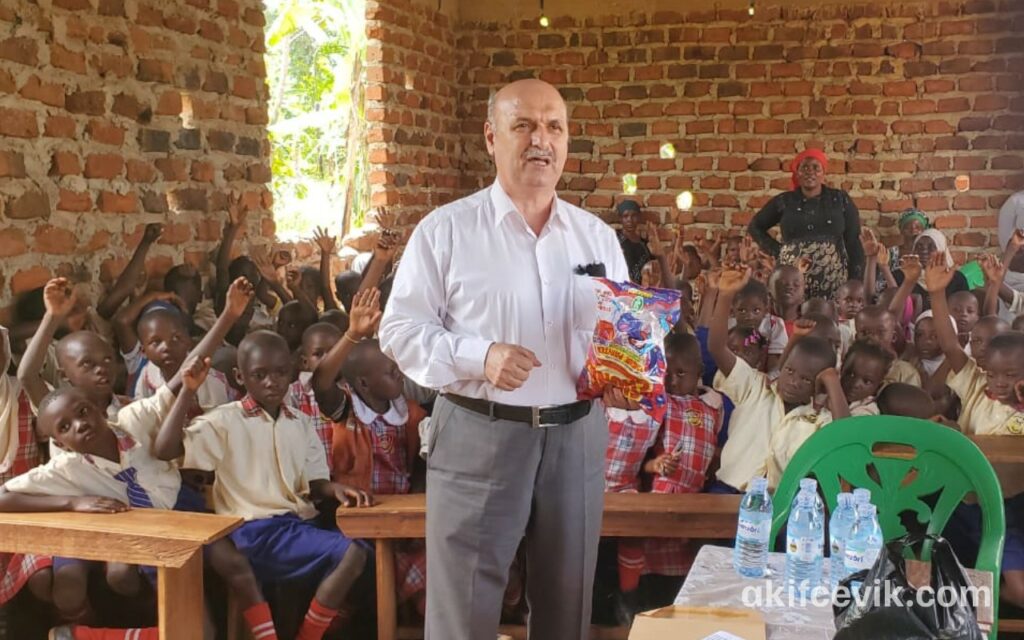
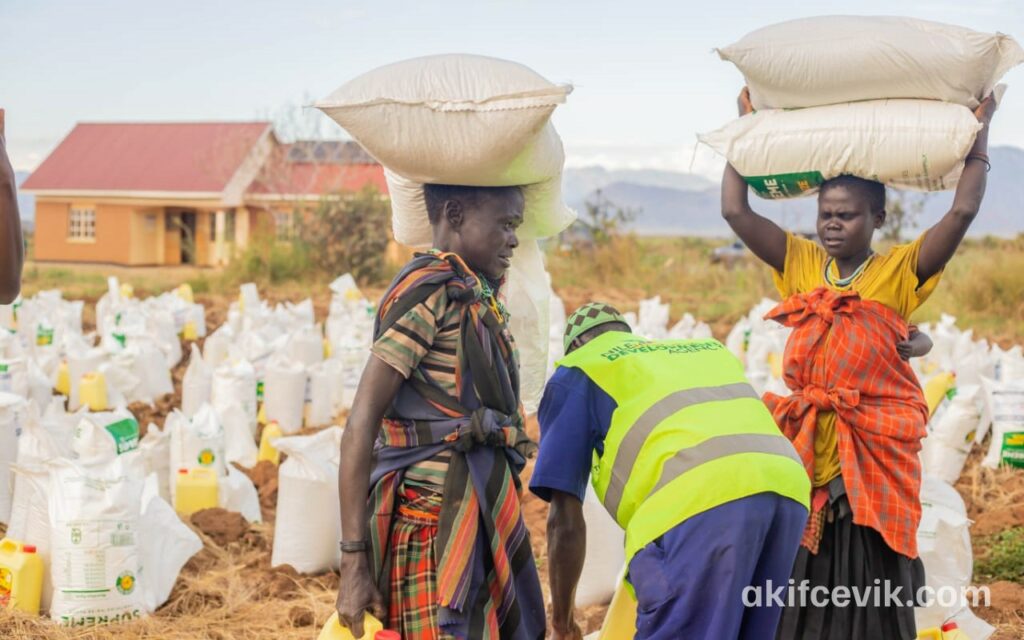
Volunteers and humanitarian organisations of the Hizmet movement, active in many parts of the world, carry that ideal into practice through concrete work. Time to Help in Europe, Embrace Relief in America and Relief in Australia, among others, touch the lives of thousands of families through meat distribution at Eid al-Adha, meals and food parcels during Ramadan, clean water wells, support for agricultural production and nutrition projects.
The 2030 Target: the United Nations Zero Hunger Mission
Goal 2 of the United Nations Sustainable Development Goals for 2030, “Zero Hunger”, is a turning point for the future of humanity.
The goal is to end hunger altogether, to secure food supply, to widen access to healthy nutrition and to support sustainable agriculture.
(https://www.un.org/sustainabledevelopment/hunger)
The 2024 figures show once again just how vital that goal is.
8.2 per cent of the global population, roughly 673 million people, still go hungry.
2.3 billion people, around 28 per cent of the world’s population, live with moderate or severe food insecurity. Hunger falls hardest on women, on children and on people living in rural areas. [FAO, 2024 Report: The State of Food Security and Nutrition in the World 2024.]
The Philosophy of Ubuntu and a Call for Global Solidarity
The 2025 theme of World Food Day, “Hand in Hand for Better Foods and a Better Future”, is not just a slogan. It is an invitation into a shared human conscience.
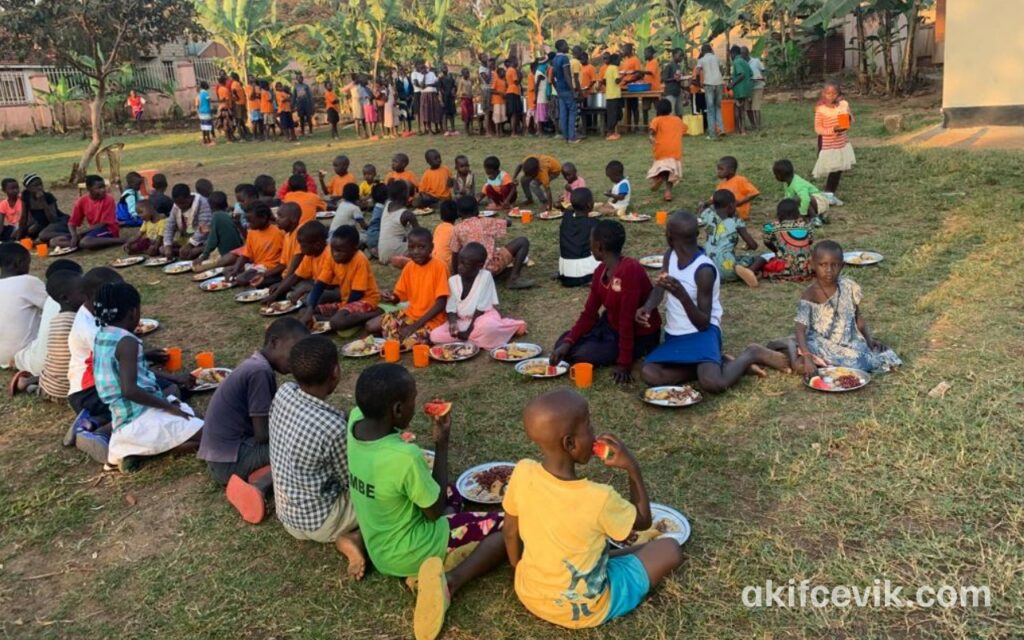
The philosophy of Ubuntu in African humanism says exactly this: “I am because we are.” Ubuntu takes empathy, solidarity and sharing to be the very substance of life. Seen in that light, the struggle against hunger is a moral call. To share a mouthful is to keep a life alive. Protecting food, then, is not only an economic act but an ethical one.
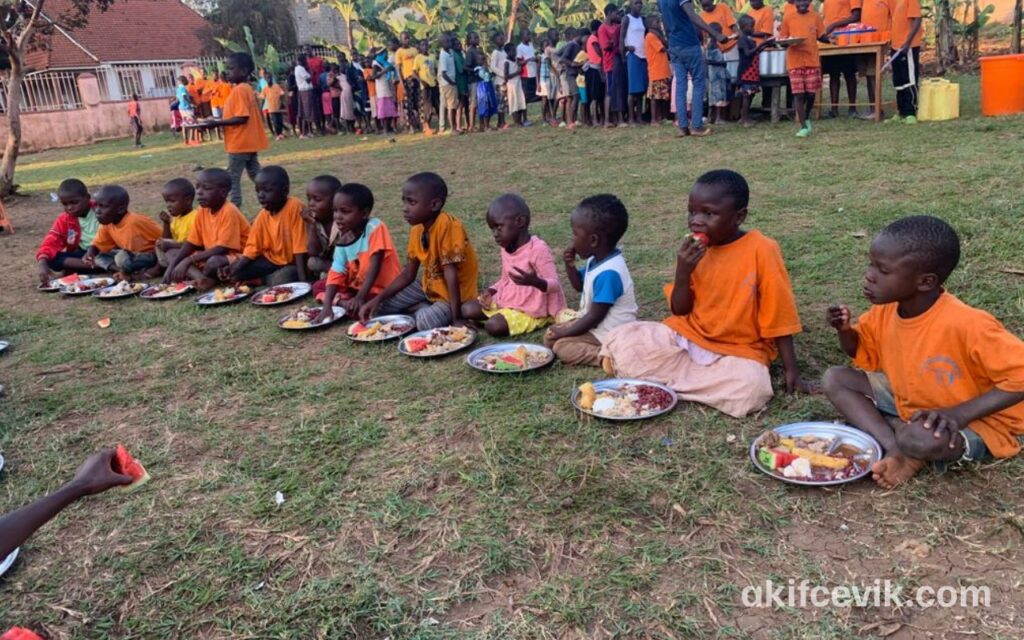
Keep Others Alive So That You May Live
One third of all the food produced in the world ends up in the bin. That is enough to feed the millions of people who go hungry. Preventing food waste is not only an economic responsibility but a matter of conscience. Raising awareness in homes, in businesses and along production chains is a basic step towards a sustainable future.
World Food Day reminds us of this truth: food is our future. And that future has to be built on justice, empathy and solidarity. In the spirit of Ubuntu: “I am because we are.” By cutting the waste at our own tables, by reaching out a hand, by opening our conscience, we can build a fairer world. On World Food Day, let us speak to the shared conscience of humanity: keep others alive so that you may live.
As we turn that thought into action, those of us with means where we live should think of people living in far harder conditions than our own. Whatever our faith, our nationality or our gender, thinking of people who go hungry is a human duty we all share.
To take one practical example: at the moment we are about to drink a coffee or eat a slice of cake, it is entirely possible to send the cost of that small habit to someone in need somewhere else in the world.
Acting in the spirit of “give and keep others alive”, through small donations that carry Ubuntu’s sharing and empathy forward, is a contribution to rebuilding human dignity. “Ubuntu Donation Drives” started within our own social circles are among the most meaningful examples of solidarity there are.
Happy are those who do Ubuntu with the ideal of keeping others alive.
“Running to the aid of others is the most eloquent invitation one can extend to God’s favour.”
Our warmest thanks to every donor, volunteer, aid organisation, activist and person of conscience working to make the world a better place.
Reader notes
No one has left a note on this post yet. Be the first.
Related posts
 Social Responsibility
 Social Responsibility